September 25, 2026
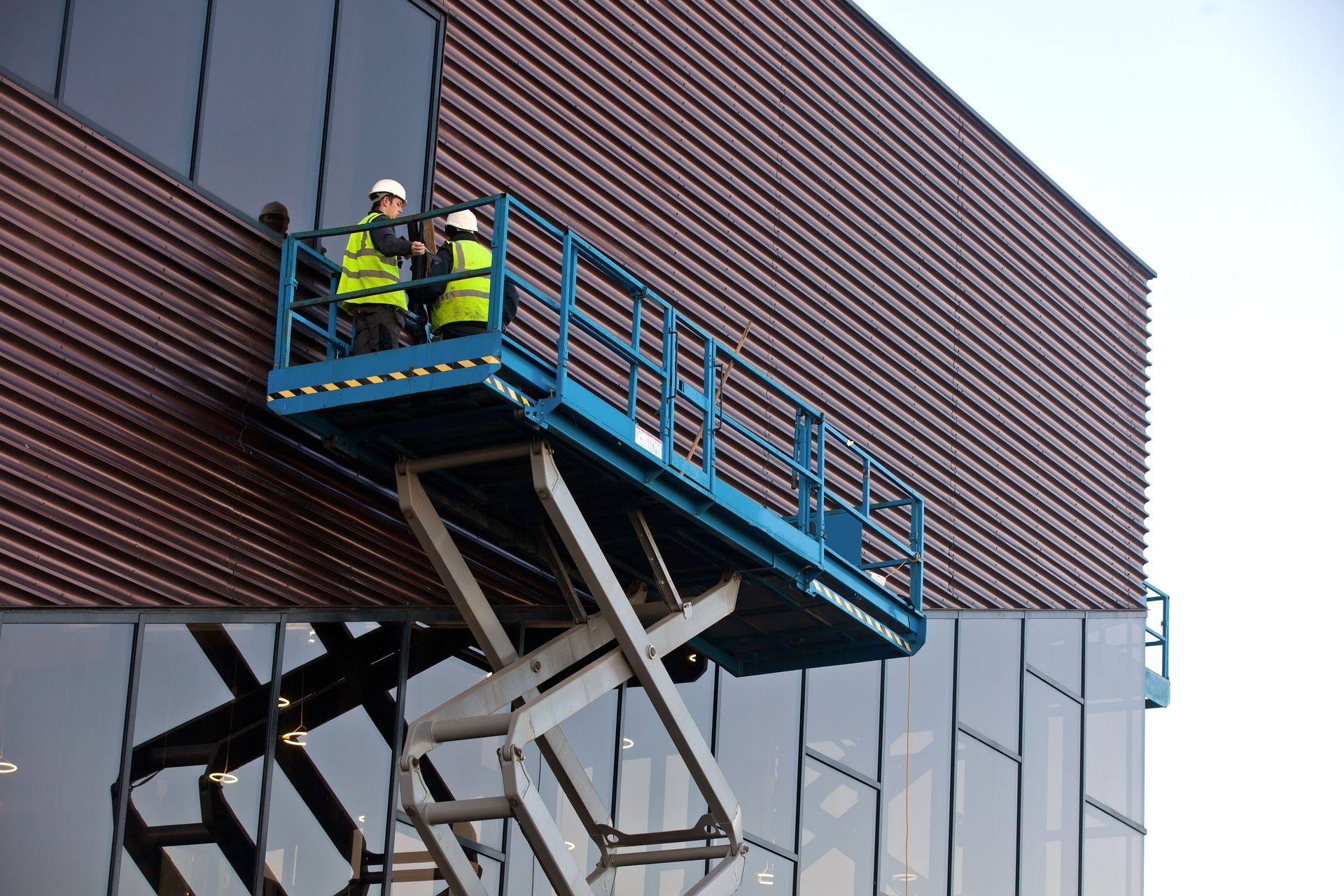
Modern industrial, commercial, and construction environments rely heavily on aerial work platforms to keep operations running, making comprehensive safety education essential for all personnel. Pursuing professional boom and scissor lift training equips workers with the essential skills necessary to optimize performance, protect jobsite personnel, and maintain complete organizational compliance. Structured instruction establishes a foundational standard that protects both heavy machinery investments and workforce well-being. Ultimately, investing in specialized training transforms operational safety from a simple regulatory requirement into a core competitive advantage that pays dividends across every project phase.
Beyond immediate risk mitigation, formalized instruction establishes a standardized operational baseline across diverse work sites. When every worker operates from the same playbook, communication improves, procedural friction drops, and overall jobsite synchronization rises. This strategic alignment helps contractors, facility managers, and safety directors build a predictable, repeatable standard of execution that safeguards human lives while keeping complex projects moving forward on schedule.
Enhancing Jobsite Safety
Comprehensive training programs prioritize understanding equipment specifications, weight capacities, center-of-gravity dynamics, and spatial reach limits. Operators learn to execute meticulous pre-operation safety checks, inspecting hydraulic lines, emergency control responsiveness, tire condition, and structural integrity to intercept mechanical failures long before they manifest on the job site. According to Genie Equipment, training programs have evolved to require a strict two-part qualification process: comprehensive classroom/theory instruction paired with a hands-on, practical evaluation of real-world operating skills before certification is granted. This comprehensive educational framework ensures every individual involved in aerial platform operations understands emergency response procedures, secondary guarding systems, and fall protection mandates, lowering accident risks significantly.
Beyond basic machine control, specialized training enhances an operator's ability to recognize and evaluate environmental hazards such as overhead power lines, unlevel terrain, wind shear, and ground load limitations. Recognizing these variables enables teams to take proactive measures rather than reacting to dangerous situations after they unfold. Cultivating this elevated level of situational awareness protects surrounding personnel and equipment from preventable damage, fostering a worksite environment rooted in personal accountability and operational precision.
In critical moments, rapid and correct decision-making prevents minor incidents from escalating into serious emergencies. Comprehensive instruction provides operators with the practical drills needed to execute emergency lowering procedures, manual system overrides, and rapid evacuation protocols with confidence. When operators and platform occupants practice these maneuvers under controlled conditions, they build muscle memory that remains accessible under pressure, ensuring that safety remains the top priority regardless of unexpected site conditions.
Increasing Operational Efficiency
Well-trained operators execute aerial tasks with precision, directly minimizing costly project delays and unexpected equipment downtime. Through structured coursework, personnel gain a deep understanding of control sensitivity, smooth joystick manipulation, and platform positioning, allowing them to maneuver through tight spaces and congested work areas without disrupting surrounding infrastructure or adjacent trades. Smooth operational execution accelerates project timelines while preserving the physical integrity of the machinery and the surrounding structure.
Additionally, specialized instruction covers efficient task planning, rigging, and equipment management. Operators learn to leverage specific lift functions to match task requirements accurately, reducing unnecessary fuel consumption, battery drain, and mechanical wear. By streamlining daily workflows and eliminating redundant maneuvers, trained teams maximize productive hours, lower overall maintenance overhead, and enhance the overall return on expensive equipment investments.
Clear communication between platform operators and ground support crews further streamlines site productivity. Training emphasizes standard hand signals, radio protocols, and load-handling coordination, eliminating guesswork during complex overhead installations. When ground crews and elevated personnel operate with mutual understanding, tool transfers, material positioning, and site navigation occur seamlessly, driving higher output across every shift.
Maintaining Regulatory Compliance
Navigating evolving industry standards requires a clear understanding of regional, national, and international safety regulations governing elevated work platforms. Structured training programs guide personnel through current legal mandates, ensuring that operational practices mirror required safety protocols on every job. Achieving official operator certification validates workforce competence, protects businesses during agency audits, and shields organizations from severe financial penalties associated with non-compliance.
Because regulatory frameworks continuously evolve, formal instruction serves as a reliable platform for ongoing professional education and re-certification. Keeping operators, platform occupants, and supervisors informed about updated standards ensures seamless adaptation to new rules without interrupting site productivity. Aligning daily operations with established benchmarks strengthens organizational credibility among general contractors, project owners, insurers, and industry regulators alike.
Proper record-keeping and documentation form another critical pillar of regulatory compliance. Formal training programs instruct supervisors and management teams on how to maintain accurate operator logs, inspection checklists, and certification records. Having an organized, verifiable compliance trail not only satisfies legal requirements during site inspections but also demonstrates a clear commitment to duty of care should an unforeseen incident occur.
Maximizing Operational Cost-Effectiveness
Improper machine handling often leads to premature component wear, sudden mechanical breakdowns, and expensive structural repairs. Proper boom and scissor lift training teaches operators how to execute gentle start-stops, respect load charts, and monitor equipment health continuously during use. These preventive operational behaviors extend the functional lifespan of the fleet while substantially reducing avoidable repair expenses over the life of the asset.
Furthermore, maintaining a verified, safety-trained workforce significantly reduces liability risks, property damage claims, and workplace injury payouts. Insurance providers frequently recognize proactive risk mitigation efforts and lower incident rates by offering reduced premium rates and favorable policy terms. By controlling routine maintenance expenditures and minimizing insurance costs, organizations achieve a stronger financial position and a higher overall return on investment.
Strategic fleet utilization also contributes directly to bottom-line profitability. Trained operators know how to choose the precise machine type, platform size, and power source required for specific applications, preventing companies from over-specifying or under-utilizing rental or owned assets. Optimizing equipment selection and daily deployment eliminates waste, controls fuel and energy consumption, and ensures that capital resources are utilized with maximum efficiency.
Boosting Worker Confidence
Mastery over complex machinery directly enhances operator confidence, operational focus, and overall job satisfaction. Theoretical knowledge combined with practical, hands-on practice allows workers to approach challenging elevated tasks with clarity and calm. Confident operators communicate more effectively with ground crews and supervisors, fostering a collaborative, transparent jobsite atmosphere centered on shared safety goals.
Instilling critical problem-solving skills empowers workers to evaluate unexpected jobsite challenges logically and safely. Rather than guessing during difficult maneuvers or pushing equipment past its engineered limits, trained operators draw upon established protocols to resolve issues without compromising safety. This professional empowerment improves team morale, reduces workplace stress, promotes employee retention, and drives continuous operational excellence across all project phases.
Continuous skill development creates clear pathways for career advancement within the industry. Workers who hold recognized certifications and demonstrate consistent adherence to safety standards are naturally positioned for leadership roles, site supervisor responsibilities, and safety management positions. Investing in worker education communicates a tangible commitment to employee growth, building a loyal, highly skilled workforce ready to tackle increasingly complex challenges.
Investing in standardized education for elevated equipment operations delivers measurable dividends across safety, efficiency, legal compliance, and overall profitability. Equipping operators, platform occupants, and supervisors with expert knowledge ensures long-term asset preservation, reduced risk profile, and smooth project execution from start to finish. Organizations that prioritize comprehensive training build resilient operational structures that meet rigorous industry demands while protecting their most valuable asset: their people. For more information about the services that we offer, reach out to our incredible team at Tri-State Safety today!